
Understanding the psychological triggers behind gambling behavior
The allure of risk-taking
Gambling inherently involves risk, and for many, this risk can be thrilling. The excitement associated with placing a bet, waiting for a win, or engaging in high-stakes games activates the brain’s reward systems, releasing dopamine, a neurotransmitter associated with pleasure and motivation. In the world of gaming, many might also explore online casinos that heighten this experience further, leading individuals to gamble repeatedly.
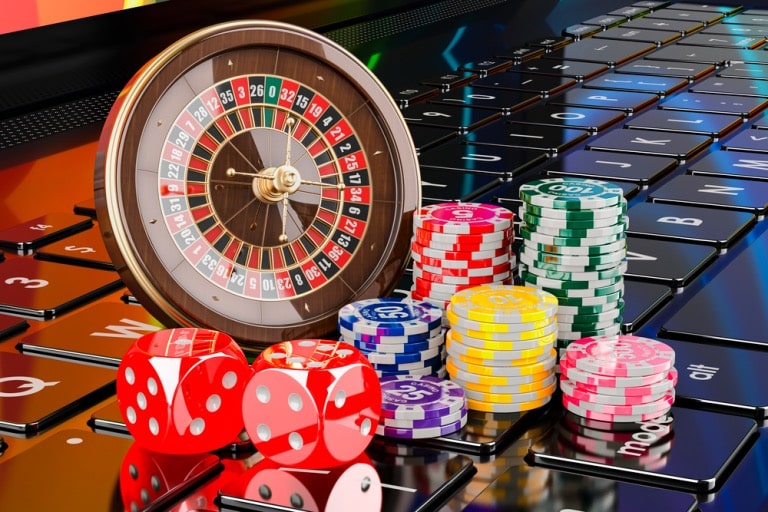
This thrill can be particularly appealing during moments of stress or boredom. For some, gambling offers an escape, a chance to break free from their everyday routine. The unpredictability of winning can provide a rush that is difficult to replicate in other activities, making it an enticing option for those seeking excitement and novelty in their lives.
The role of cognitive biases
Cognitive biases significantly influence gambling behavior. One of the most prevalent is the illusion of control, where individuals believe they can influence outcomes in games of chance. This belief can lead to overconfidence and increased gambling activity, as players convince themselves that their skills or strategies can improve their chances of winning.
Another common bias is the gambler’s fallacy, where people assume that past outcomes will affect future results. For instance, if a player observes a series of losses, they may believe that a win is overdue, prompting them to gamble more. These cognitive distortions can create a cycle of unrealistic expectations, further entrenching individuals in their gambling habits.
Emotional factors and motivations
Emotions play a crucial role in gambling behavior. For many, gambling serves as a way to cope with negative feelings such as anxiety, depression, or loneliness. The temporary highs associated with winning can provide a short-term escape from emotional pain. Conversely, losses may lead to feelings of frustration, often resulting in chasing losses, where individuals continue to gamble in the hope of recovering their money.
Additionally, social influences can impact emotional motivations. Group activities, such as visiting a casino with friends, can amplify the excitement of gambling. The sense of belonging and shared experience can lead to increased participation, as individuals seek validation and support from their peers, further driving their engagement in gambling activities.
Environmental influences on gambling behavior
The environment in which gambling takes place can heavily influence behavior. Casinos and gaming establishments are designed to be alluring, with bright lights, engaging sounds, and an atmosphere that promotes excitement. This sensory stimulation can enhance the overall experience, making it difficult for individuals to resist the urge to gamble.
Moreover, accessibility plays a significant role in gambling behavior. With the rise of online gambling platforms, individuals can now gamble from the comfort of their homes. This convenience can lead to increased gambling frequency and even problematic behavior, as the barriers to entry are significantly lower compared to traditional casinos. The constant availability of gambling can heighten the risk of developing unhealthy habits.

Our commitment to understanding gambling behavior
At our website, we are dedicated to providing valuable resources that deepen the understanding of gambling behavior. By exploring the psychological triggers behind gambling, we aim to empower individuals with knowledge that can help them make informed decisions about their gambling activities. Our goal is to promote awareness and support those who may be struggling with gambling-related issues.
Through educational content, engaging discussions, and community initiatives, we aspire to foster a deeper understanding of the complexities of gambling behavior. Join us in exploring these important topics, and let’s work together towards creating a healthier relationship with gambling.
